Professor and Kummer Endowed Chair of Biological Sciences

Dr. Yosten’s work focuses on molecular neuroendocrine physiology, as it relates to human metabolic diseases, including both type 1 and type 2 diabetes, and Prader Willi Syndrome. Her research incorporates cutting edge technologies including spatial molecular imaging and super resolution microscopy, and utilizes cell, animal, and human-based model systems.

Since joining Missouri S&T, Dr. Yosten has secured approximately $4 million in extramural grant support. Her lab is currently funded by the National Institutes of Health, the Helmsley Charitable Trust, the Foundation for Prader Willi Research, and the Breakthrough T1D Foundation.

Research Focus:

  • Neuroendocrine Physiology
  • Human Metabolic Diseases

Research Tools:

  • Spatial Omics
  • Whole Animal & Cell-Based Models
  • Human Subjects and Tissues

Research Funding:

  • NIH/NICHD
  • Helmsley Charitable Trust
  • Foundation for Prader Willi Research
  • Breakthrough T1D Foundation

Dr. Yue-Wern Huang

CBR Center Director, Professor, Biological Sciences & Chair, Associate Dean Reasearch & External Relations

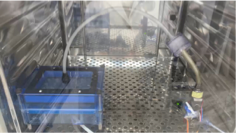
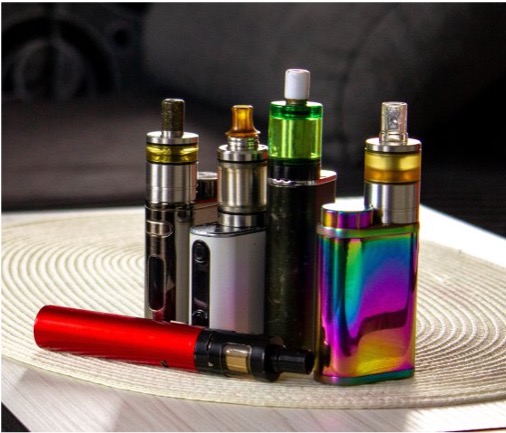
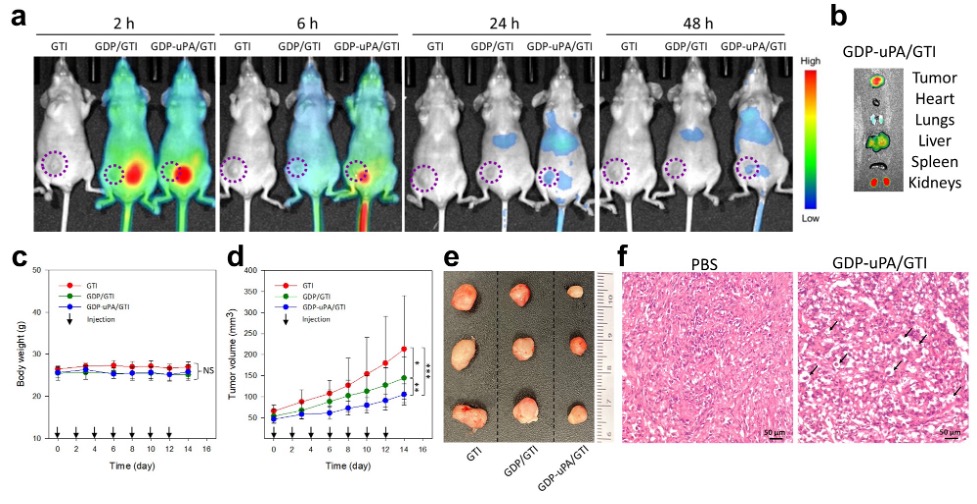
Dr. Yue-Wern Huang’s research focuses on two primary areas: the health effects of electronic cigarettes and the development of a nanoparticle-based targeted drug delivery system for breast cancer treatment. The electronic cigarette research aims to: 1) characterize the aerosol size distribution produced by various devices and device settings; 2) measure metal contents and volatile organic compounds (VOCs) present in the aerosol; and 3) elucidate molecular toxicity mechanisms, including ROS-mediated signaling pathways and pro-inflammatory responses. The nanoparticle-based drug delivery research focuses on using a uPA-targeted dendrimer system to deliver antisense oligonucleotides (ASOs) for the treatment of triple-negative breast cancer.

A blue rectangular object connected to hoses inside a metal chamber with perforated grid floor, suggesting a scientific or industrial experiment.

Electronic Cigarettes on Health Effects

A group of colorful vaping devices in various sizes and designs stand on a woven mat, creating a vibrant and modern display.

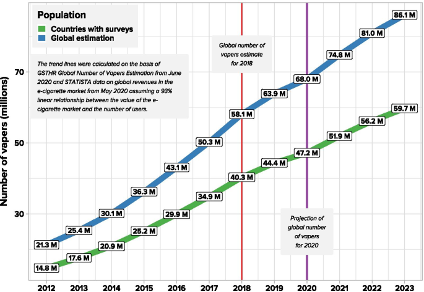
Chart showing the rise in global vaper numbers from 2012 to 2023, with survey-based and estimated data. Notable spikes in 2018 and projections after 2022.

test

Set of images displaying experimental results on mice for tumor treatment. a) Mice imaged at different times (2h, 6h, 24h, 48h) showing fluorescence. b) Organ distribution panel with color scale. c) Graph of mice body weight over time. d) Graph showing tumor size changes. e) Image of excised tumors next to a ruler for scale.

NP-Based, Targeting Drug Delivery System to Treat Triple Negative Breast CancerNP-Based, Targeting Drug Delivery System to Treat Triple Negative Breast Cancer 
Director - Kummer Institute Center for Resource Sustainability

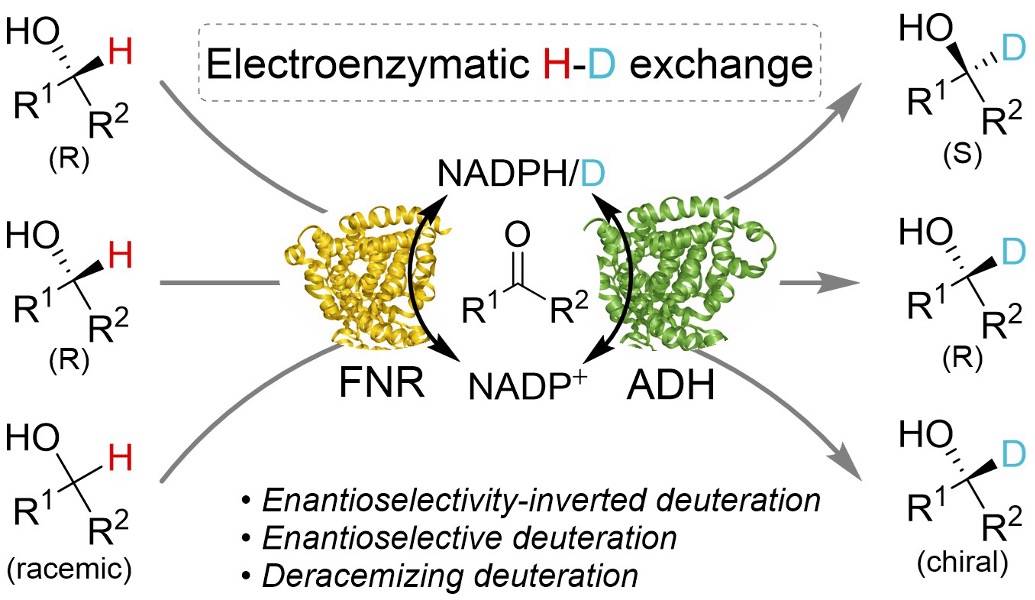
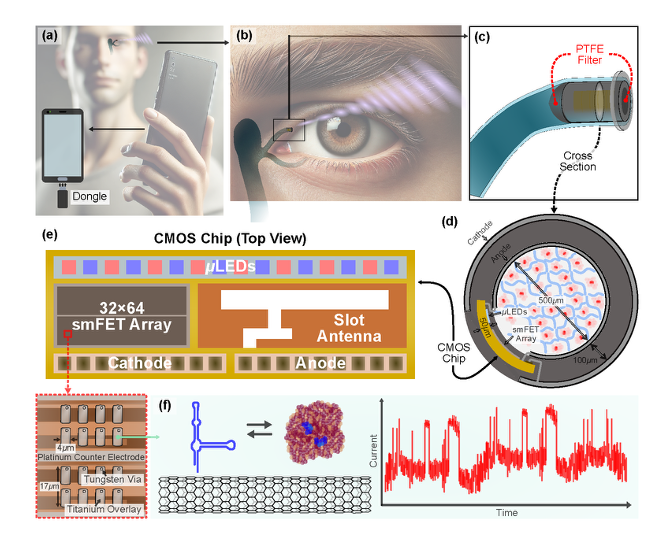
Shelley Minteer is the Dr. Ken Robertson Memorial Professor of Chemistry and the Director of the Kummer Institute Center for Resource Sustainability. She is an electrochemist with grants that range from energy harvesting for biomedical applications to pharmaceutical synthesis. On the left is an example of her work in energy harvesting for biomedical applications. She has an ARPA-H grant with Harvard Medical School to develop a device for the tear duct that will electrochemically generate electricity from lactate in tears to power the aptamer based biosensing of biomarkers and delivering of opthamological drugs for Sojgren's syndrome, which is an autoimmune disorder. Immune system attacks body's own cells and tissues. And for Neurotrophic keratitis (NK), which is a degenerative disease of the cornea caused by damage of the trigeminal nerve.

She also leads an NSF Center for Chemical Innovation that is focusing on improving the safety and selectivity of pharmaceutical production via electrification of the chemical industry. As part of these efforts, she has an active collaboration with Merck on designing electrochemical cofactor regeneration systems for selective dueteration of pharamceuticals

Energy Harvesting for Biomedical Applications – ARPA-H Grant with Harvard Medical School

Energy Harvesting for Biomedical Applications – ARPA-H Grant with Harvard Medical School

NSF Center for Synthetic Organic Electrochemistry

NSF Center for Synthetic Organic Electrochemistry
Vision: To revolutionize pharmaceutical production via electrification of the chemical industry.

Collaboration with Merck on Electrochemical Cofactor Regeneration for Selective Deuteration
Professor, Richard K. Vitek/FCR Endowed Chair of Biochemistry
Chemical Biology and Drug Discovery Laboratory at Missouri S&T

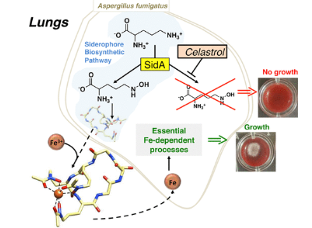
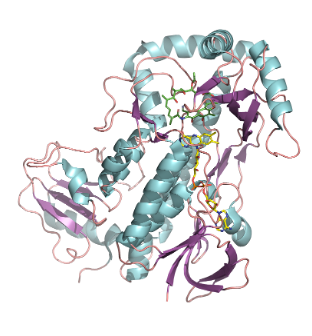
Dr. Pablo Sobrado’s laboratory focuses on understanding the mechanisms of enzyme action in order to develop strategies to inhibit their activity or to apply them in the synthesis of important biomolecules. His team investigates how bacteria develop resistance to antibiotics and explores the biosynthesis of new antimicrobial compounds to counter emerging pathogens. Additional areas of research include developing new therapeutic strategies to treat fungal infections by inhibiting siderophore (iron‑acquisition) pathways, and combating Lyme disease by targeting cell‑wall biosynthesis in Borrelia burgdorferi.

Drug Discovery
We are developing new treatments for infectious diseases by blocking the iron-gathering molecules fungi need to grow and by disrupting the cell-wall building mechanism of the bacteria that cause Lyme disease. Specific projects:

  1. Inhibition of siderophore biosynthesis for treatment of fungal infections.
  2. Targeting Borrelia burgdorferi cell wall biosynthesis for treatment of Lyme disease.

Blocking iron acquisition

Blocking Iron Acquisition

Chemical Biology
We study how bacteria develop resistance to antibiotics and explore ways to create new antimicrobial drugs. Specific projects:

  1. Mechanisms of antibiotic resistance in bacteria.
  2. Biosynthesis of novel antimicrobial drugs.

Rifampicin inactivation

Rifampicin Inactivation

Associate Professor
Kummer Impact Professor
Department of Psychological Science

Decreased autobiographical memory functioning and loneliness are pervasive issues in older adulthood. Music holds great promise as a benign and easy-to-implement intervention but is understudied. In our research we have found that music can be a more effective way to trigger personal memories and associated emotions than other types of sensory cues. However, we also found that particularly in older adults, it is critical to take an individual approach by selecting self-relevant cues on a person-by-person basis. This work informs the development of more effective music-based interventions for aging and age-related cognitive decline.

How can we use music most effectively to improve memory functioning and wellbeing across the lifespan?

  • Decreased autobiographical memory functioning and loneliness are pervasive issues in older adulthood
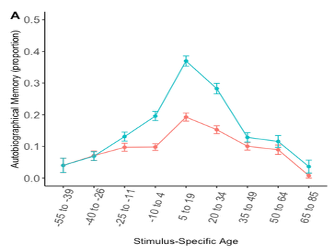
  • Our research has found that music is a more effective cue for evoking memories and emotions than other types of sensory cues – including movie clips, images, food, and words
  • However, our research also indicates that the type of music is critically important. We must take an individualized approach to musical selections specific to the person’s age and musical preferences

Line graph showing autobiographical memory proportion by stimulus-specific age. Two lines, blue and red, peak around age 5 to 19, then decline.

Department Chair & Associate Professor
Industrial-Organizational Psychology

Dr. Clair Kueny has worked with healthcare teams for over a decade, with research covering the scope of healthcare professional team dynamics, the intersection of healthcare professional work experiences and patient experiences, and specific demands placed on healthcare organizations and providers practicing in rural areas and the translation of those impacts on patient care. Overall, this work falls under an umbrella of applying organizational psychology theories and principles to improve healthcare experiences and delivery for all. Most recently, she has been working with local partners in exploring the idea of creating integrated care networks among rural healthcare organizations and community leaders to improve care for individuals in recovery.

Research Topics

  • Healthcare organization processes
    • Including work on interprofessional education, practice, & research
    • Also includes expertise in healthcare organizational assessment and program implementation
    • Applying organizational change theories to improve health care delivery & developing healthcare/community organization networks
  • Interactions and reactions between healthcare team-members:
    • Impact on team-member experiences & patient experiences
    • Impact on patient transitions and communication between team-members
  • Demands faced by (rural) healthcare professionals & (rural) healthcare organizations

Potential Collaborations

Assessments for areas such as healthcare teams & interprofessional or convergent practices, new care delivery systems & networks, etc.; Impact of these changes on healthcare professionals and patient experiences.

Selected Publications & Presentations

Reynolds Kueny, C., Koziel, R., & McCauley, A. (2025). Creating bridges addressing opioid use & workforce shortages in rural communities. Presented at the Engagement Scholarship Consortium Conference, Roanoke, VA.

Kueny, C. (2024). Applying organizational theories to build a resilient network of workforce and opioid-focused rural community organizations (R-NetWORC). Presented at the Engagement Scholarship Consortium Conference, Portland, OR.

Reynolds Kueny, C. (2024). Perspectives on applying organizational psychology to improve rural oncology care. Medical Research Archives, 12(6). https://doi.org/10.18103/mra.v12i6.5452 

Reynolds Kueny, C., Price, A., & Canfield, C. (2024). Measure twice, change once: Using simulation to support change management in rural healthcare delivery. Advances in Health Care Management, vol. 22.

Cudney, E., Reynolds Kueny, C., & Murray, S. (2023). Analyzing patient satisfaction in a rural would care center. The TQM Journal. doi: 10.1108/TQM-08-2022-0273

Majumdar, D., Reynolds Kueny, C., & Anderson, M. (2022). Impact of merging into a comprehensive cancer center on healthcare teams and subsequent team-member and patient experiences. JCO Oncology Practice. https://ascopubs.org/doi/abs/10.1200/OP.22.00280 

Reynolds Kueny, C., Majumdar, D., & Spencer, C. (2020). A qualitative assessment of the impact of the rural setting on healthcare professionals’ work experiences. Occupational Health Science. https://doi.org/10.1007/s41542-020-00061-6